Plans & Support
Data Catalog & How It Works

Provence-Alpes-Côte d'Azur has 10,144 e-commerce businesses (9.9% of the national market), ranking as the 4th digital region in France. B2C dominates (62.2%) while WooCommerce, PrestaShop, and Shopify share the ecosystem (44.1% / 24.4% / 23.2%). Bouches-du-Rhône, Alpes-Maritimes, and Var concentrate nearly 80% of businesses, reflecting the balance between professional services, Mediterranean tourism, and local industry. PACA thus confirms its digital Mediterranean power. The Home & Garden, Health & Beauty, and B2B sectors further complete this innovative regional dynamic.

Centre-Val de Loire has 3,496 e-commerce businesses (3.4% of the national market), ranking as the 11th digital region in France. B2C dominates (64.2%) while WooCommerce leads (44.3%) and PrestaShop holds strong (25.2%). Indre-et-Loire and Loiret, nearly tied, illustrate a unique territorial balance combining professional services, B2B industry, and château tourism. This geographic and sector homogeneity confirms the region's digital vitality and measured innovation.
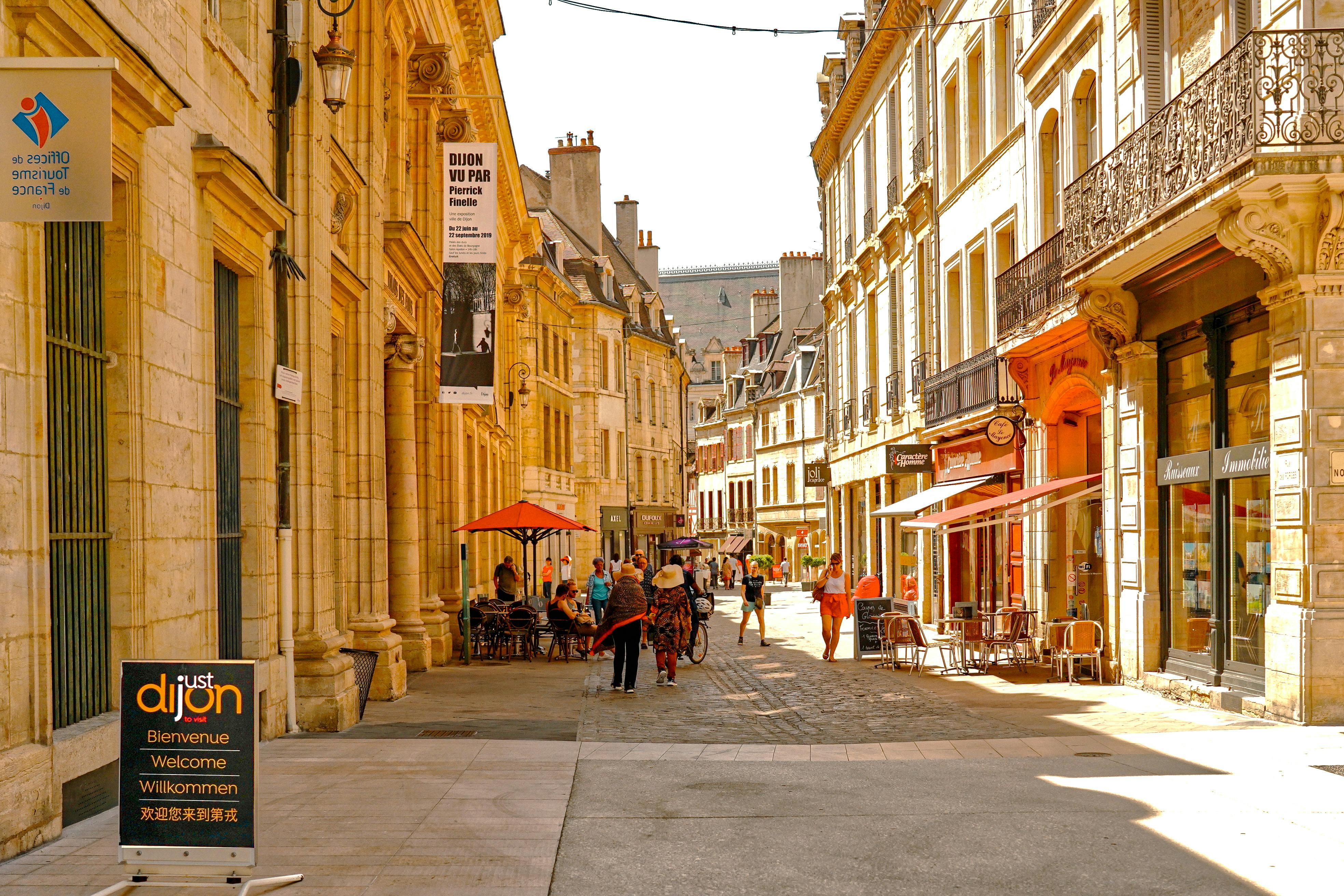
Bourgogne-Franche-Comté has 3,660 e-commerce businesses, representing 3.6% of the national market, distinguished by strong agri-food and wine specialization. Ranked as the 10th digital region in France, it favors the B2C model (65.8%) and WooCommerce (46.1%). The departments of Côte-d'Or, Saône-et-Loire, and Doubs concentrate the majority of businesses, reflecting the balance between tertiary tradition, industry, and the promotion of authentic local produce in the digital age. This dynamic highlights the region's measured innovation and strong territorial roots.

Normandy has 3,913 e-commerce businesses (3.8% of the national market), ranking as the 11th digital region in France. The B2C model dominates (64.2%) and WooCommerce leads (46.1%) as the preferred CMS. Seine-Maritime and Calvados concentrate more than half of the businesses, while Eure, Manche, and Orne illustrate the region's industrial, maritime, and tourism diversity. This dynamic reflects a successful digital transformation of a territory with strong traditions and significant local B2B innovation.